SDO Pasay Reinforces School Governance through SBM and SGC
Fatima P. Fajardo
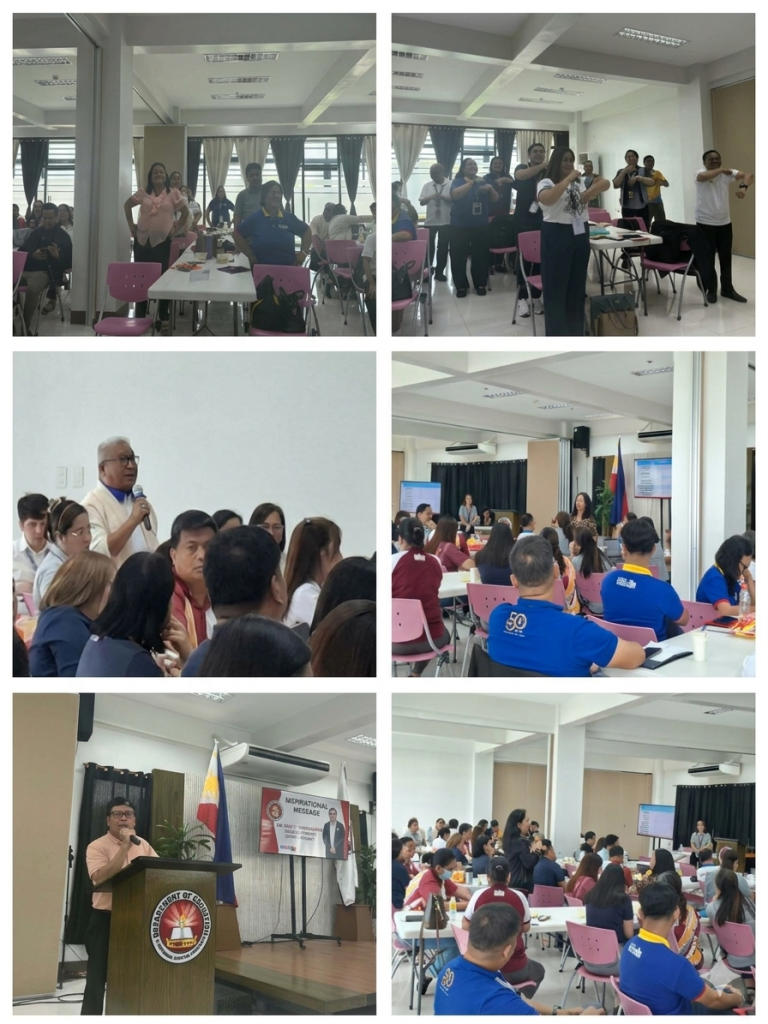
In line with the Department of Education’s Quality Basic Education Development Plan (QBEDP) Outcome 3: Efficient and Supportive Governance Structure and DepEd NCR Priority Area 5: Strengthen Governance, the Schools Division Office (SDO) of Pasay carried out Project ProMETA (Provision of Monitoring, Evaluation and Technical Assistance) with the Review of School-Based Management (SBM) Baseline Data and Reinvigoration of School Governance Council (SGC) held on May 18, 2026 at the SDO Pasay Conference Hall.
The activity gathered officials from the Curriculum Implementation Division (CID) and School Governance and Operations Division (SGOD) together with the SDO unit heads and school heads in a collaborative engagement aimed at reviewing SBM baseline data and reinforcing the critical role of SGC in advancing school improvement and participatory leadership.
Dr. Joel T. Torrecampo, in his speech, stressed that the activity served as a strategic venue for reviewing and validating SBM baseline data across schools within the division to ensure accuracy, relevance, and alignment with the principles of effective school governance. Participants also engaged in meaningful discussions on strengthening stakeholder participation, enhancing shared accountability, and sustaining collaborative leadership among schools and communities.
Moreover, participants revisited the essential dimensions of SBM and the current of degree of manifestations for each indicator, emphasizing the importance of data-driven decision-making and technical assistance provision in achieving improved educational performance. The reinvigoration of SGC likewise highlighted the shared responsibility of school leaders, parents, community partners, and other stakeholders in supporting the implementation of programs, projects, and initiatives responsive to the needs of learners.
The activity underscored the Division’s commitment to fostering a culture of continuous improvement, transparency, and participatory governance in schools. It also reinforced the significance of empowering school communities to become active partners in ensuring accessible, equitable, and quality education for all learners.